Zoria D1

Zoria Defence
Interceptor drone

Hit-to-kill interceptor for Shahed-class and FPV drones. It launches from a case, flies the radar track and completes the intercept on its own. Designed and built in Hungary.

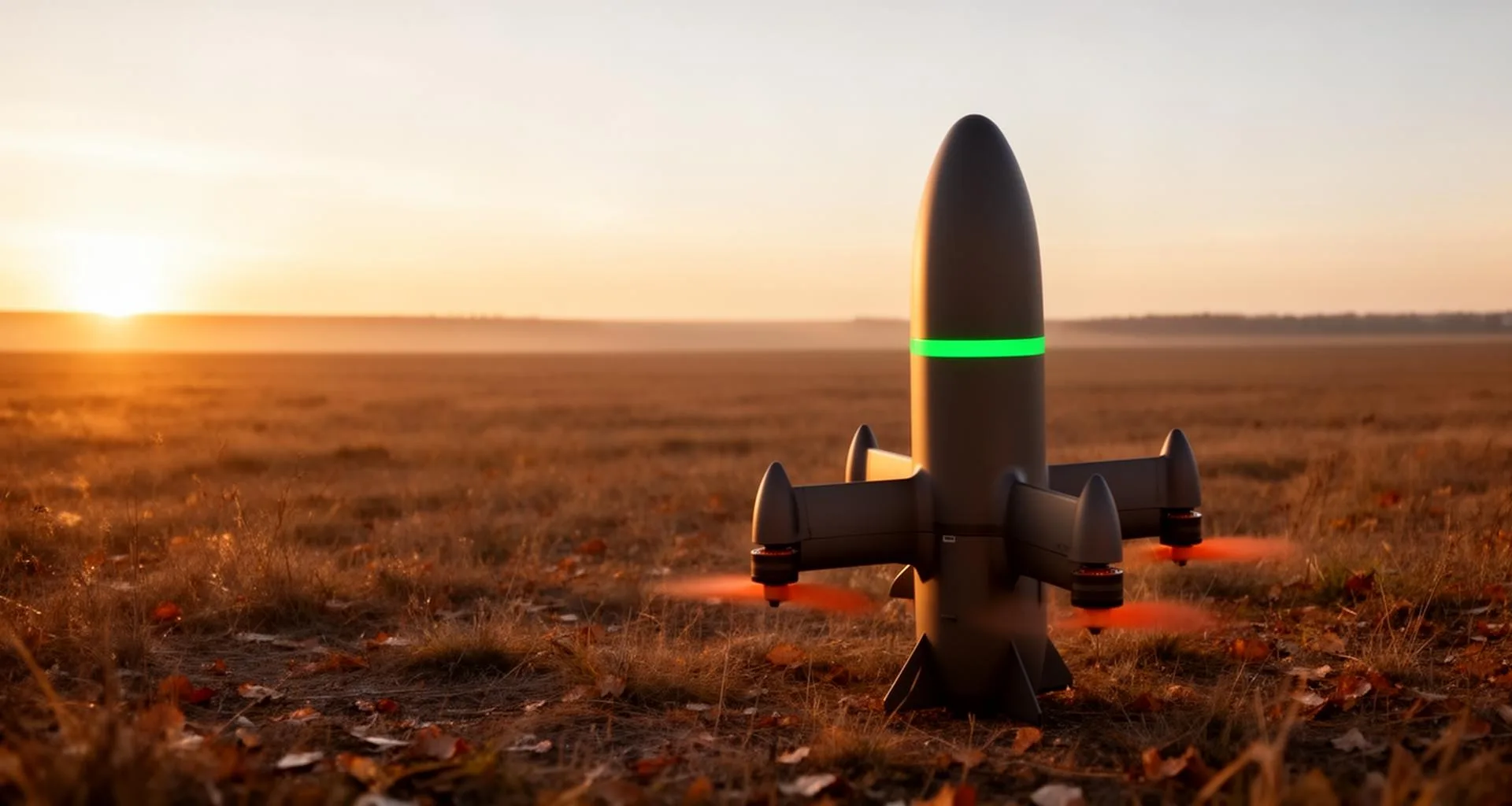
Zoria D1 interceptor standing on its tail fins in dry grass at dusk
300 km/hTop speed
4,000 mEngagement altitude
15 kmEngagement radius
<3 minCase to first launch
01 — The problem

One-way attack drones cost tens of thousands of euros. The missiles fired at them cost hundreds of thousands, and some cost millions. That trade cannot hold.

Surface-to-air missileper shot
€0.5–4M
Shahed-class droneper target
€20–50k
Zoria D1per shot
Low thousands
€1kCost per engagement · log scale · indicative€4M
02 — Seeker

The last kilometre needs no link.

The radar and datalink bring Zoria close. For the final kilometre, its own thermal and visual seeker finds the target, locks on and steers the strike.

Jamming the link at that point changes nothing. The crew confirms the target; the airframe does the rest.
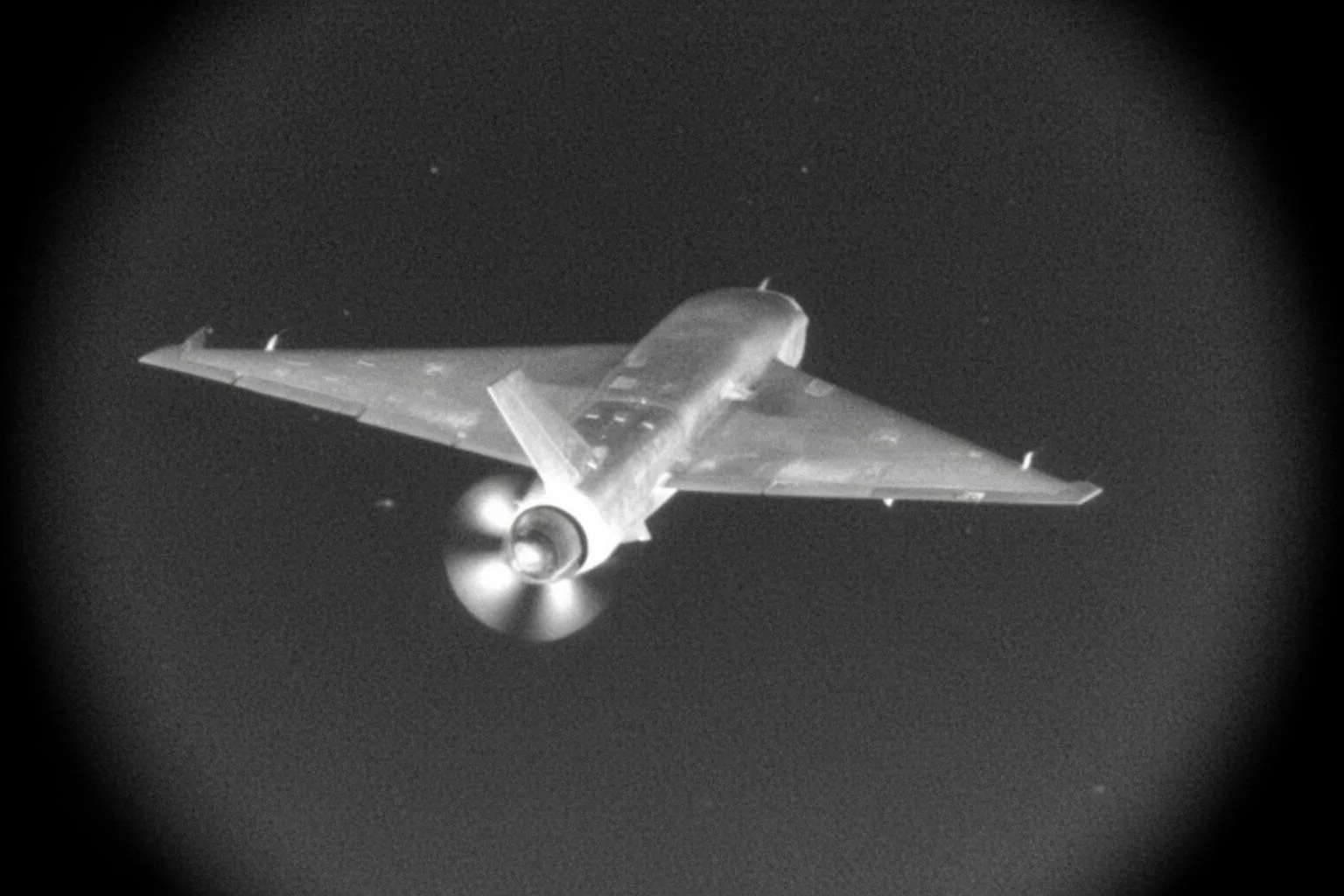
Thermal seeker view of a delta-wing attack drone
03 — Engagement

From radar track to intercept in four steps.

Cue

The radar already sees it.

Zoria takes tracks from the radar and command system you already run, over standard interfaces. No new sensor network.

Launch

Straight up from the case.

It lifts off vertically from its case or the ground. The first launch takes under three minutes from closed case. Follow-ups take under thirty seconds.

Close

Dash along the track.

It climbs and closes at up to 300 km/h, with track updates over an encrypted, frequency-hopping datalink.

Strike

Lock, and finish alone.

For the last kilometre the seeker takes over and a proximity-fuzed warhead ends it. If the crew calls it off before then, Zoria flies back and lands.

0 km15 km 4,000 m Threat · Shahed-class · 185 km/h Radar · C2 Case · crew of 2 300 km/h dash Seeker lock · last 1 km
04 — Airframe

Zoria D1

A 3.4 kg tail-sitter: a bullet fuselage, four stub wings with a motor at each tip, and a cruciform fin base it stands on. It takes off vertically and flies nose-first.

Thermal + visual seeker
450 g fragmentation warhead
4 × brushless, 300 km/h
Cruciform tail
Drag to rotate
300 km/hTop speed
180 km/hCruise speed
4,000 mEngagement altitude
15 kmEngagement radius
12 minEndurance
3.4 kgTake-off mass
2Crew
−20…+45 °COperating temperature
450 g fragmentation, proximity and impact fuzedWarhead
Uncooled thermal + visual, on-board recognitionSeeker
Encrypted, frequency-hoppingDatalink
Autonomous, works with no linkTerminal guidance

Test data, integration documents and pricing are shared at briefing, under NDA.

05 — System

Out of the case and flying in three minutes.

A

Fits in any vehicle

Each case holds two interceptors in foam. Fire control runs on a rugged laptop. A crew of two carries it. It deploys at a substation, an airfield, a bridge or a forward position.

B

Works with your sensors

It takes tracks from existing radars and command systems. One case covers a point; several cases network across a region.

C

Days of training, not months

The crew picks the target and confirms the strike. The airframe flies itself.

06 — Pre-order

Pre-order Zoria D1.

Reserve a place in the production queue. You get a reference number straight away.

  1. Within two working days we call or write to confirm quantity, price and delivery slot.
  2. Export check. We clear the Hungarian export licence and your end-user requirements.
  3. Contract. Nothing is charged before you sign.

Prefer to talk first? Write to [email protected].

No payment now. See the privacy notice.
07 — Briefing

Tell us what needs protecting.

We brief ministries of defence, armed forces, and operators of critical infrastructure and their integrators. Tell us the site and the threat, and we come back with a proposal, test data and a delivery schedule.

Briefings are held under NDA. We reply within two working days.

Your details go to our team only. See the privacy notice.